Posted on November 26, 2025
Keywords: Laser Welding, Traditional Welding, Aluminum Alloy Laser Welding, Dissimilar Metal Welding, Laser Welding Automation
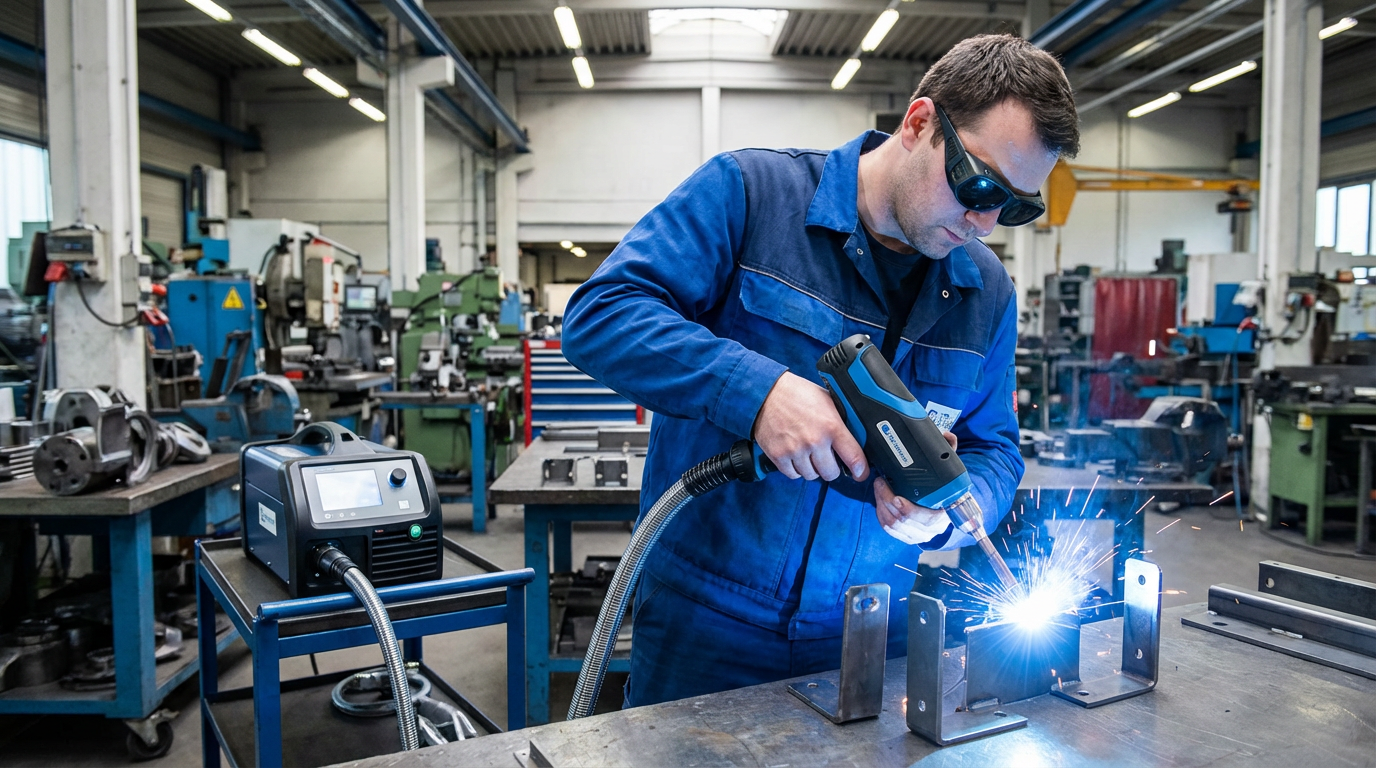
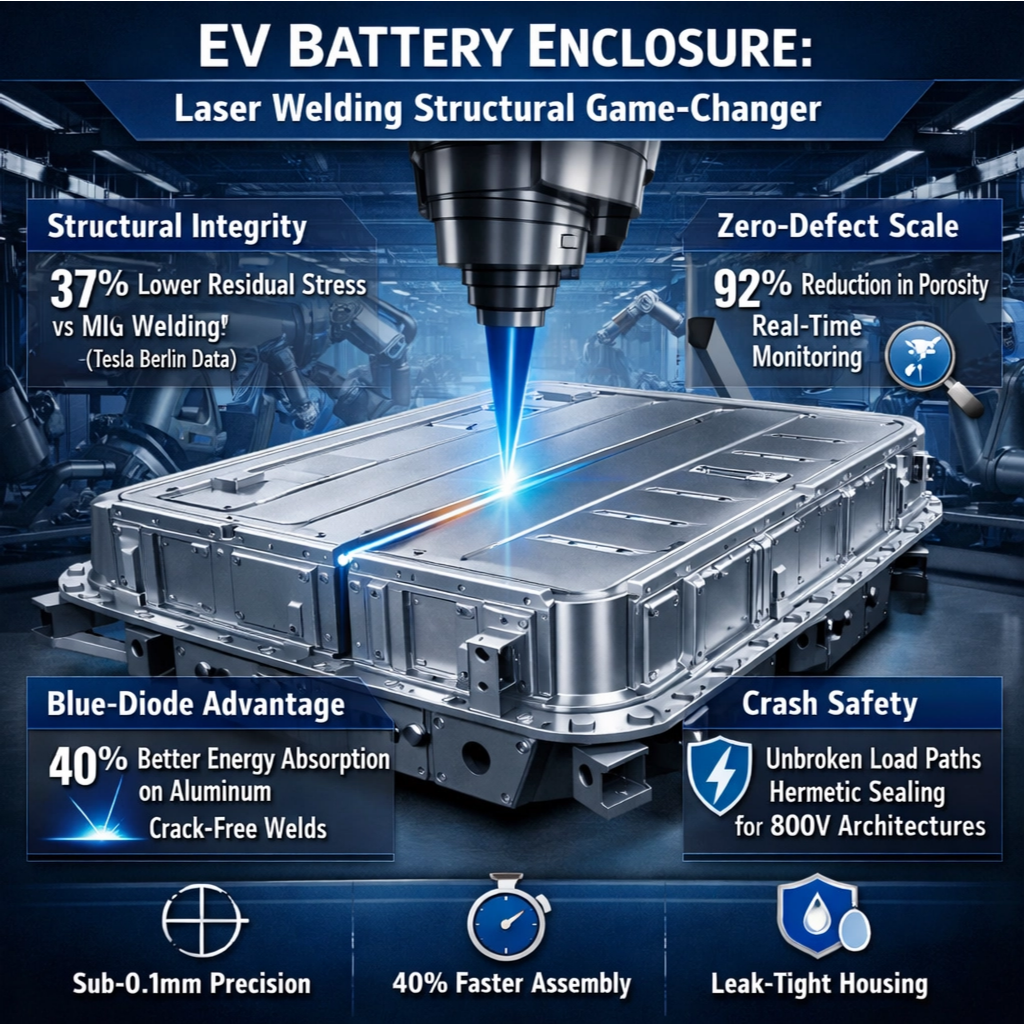
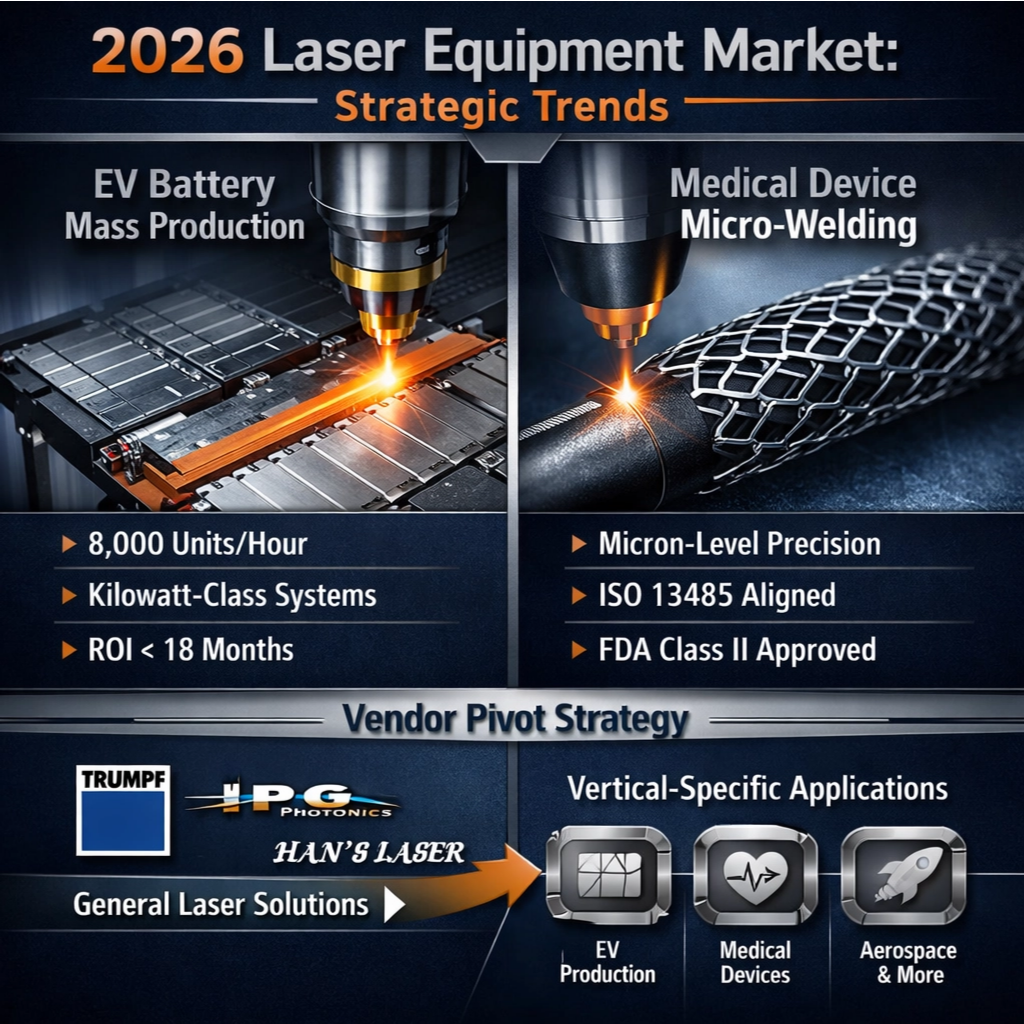
For decades, traditional welding methods—such as TIG (Tungsten Inert Gas), MIG (Metal Inert Gas), and resistance welding—have been the backbone of industrial manufacturing. However, the demands of modern industries like New Energy Vehicles (NEV), aerospace, and medical devices for higher precision, speed, and material flexibility have driven a significant shift toward laser welding. This comparative guide examines the fundamental differences, advantages, and ideal applications of laser welding versus traditional methods.
The core distinction lies in how energy is delivered to the workpiece:
| Feature | Traditional Welding (MIG/TIG) | Laser Welding |
|---|---|---|
| Energy Source | Electric arc or resistance | Highly focused, coherent light beam |
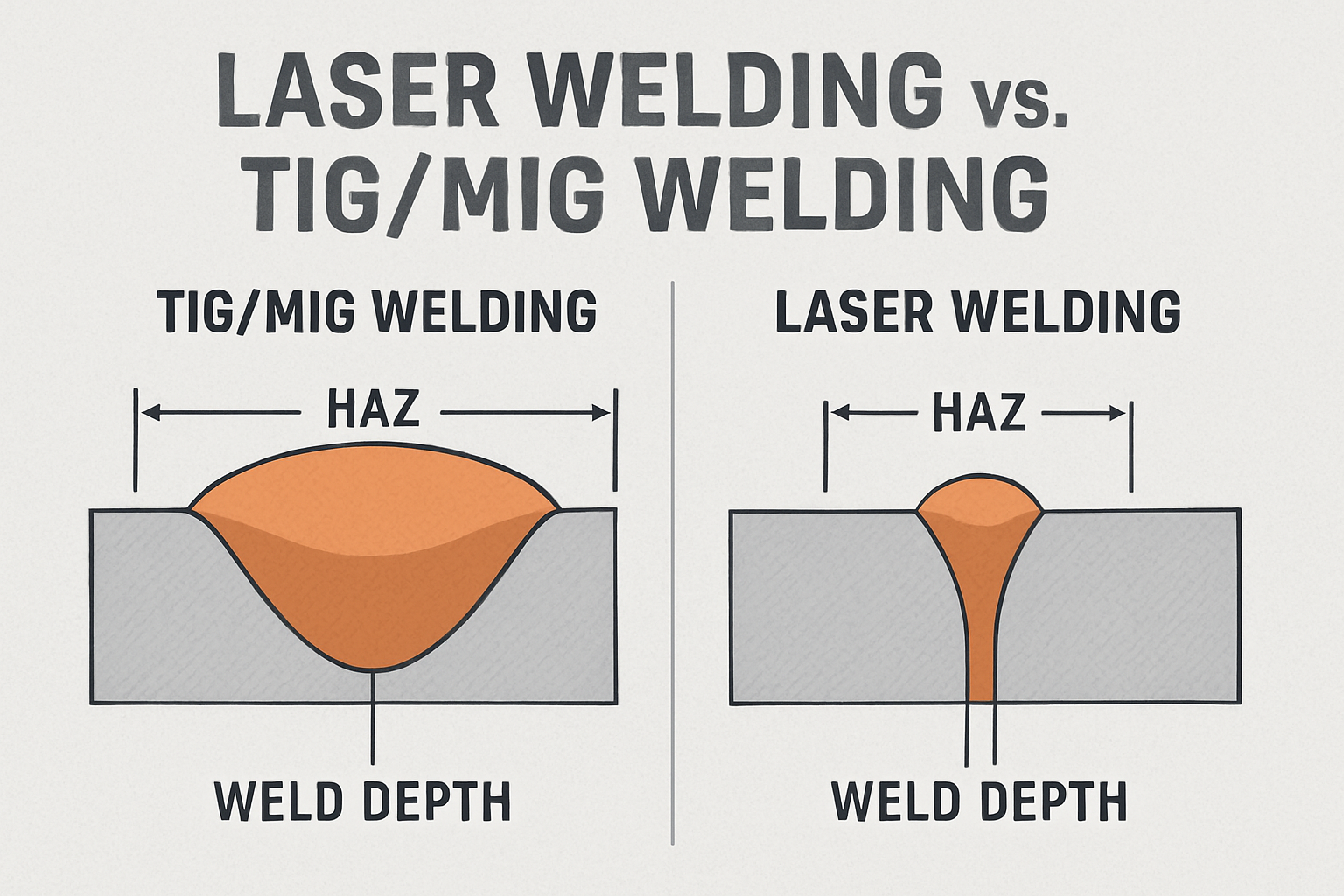
| Heat Input | High (Large Heat-Affected Zone - HAZ) | Extremely Low (Minimal HAZ) |
| Weld Speed | Slow to Moderate | Extremely Fast (Up to 10 times faster) |
| Weld Depth/Width Ratio | Low (Wide, shallow weld) | High (Deep, narrow weld) |
| Contact | Contact (Electrode/Wire) | Non-Contact |
| Filler Material | Often required | Rarely required (Autogenous welding) |
| Automation | Complex, often semi-automatic | Easily integrated into full automation |
The unique characteristics of the laser beam translate into several critical benefits for manufacturers:
The laser beam can be focused to a spot size as small as 50 micrometers. This concentrated energy allows for extremely narrow, deep welds with minimal heat input.
Laser welding is a non-contact process that requires minimal setup time and no electrode replacement. Modern high-power fiber lasers can achieve welding speeds up to 10 meters per minute.
Laser welding excels at joining materials that are difficult for traditional methods, including:
While laser welding offers significant advantages, traditional methods remain relevant in certain scenarios:
The industry is increasingly adopting Hybrid Laser-Arc Welding (HLAW), which combines the deep penetration and speed of the laser with the gap-bridging capability and cost-effectiveness of the arc.
The decision between laser welding and traditional methods is a strategic one, driven by application requirements, material properties, and production volume. For industries demanding high precision, speed, and the ability to weld complex or dissimilar materials—such as the EV and medical sectors—laser welding is the clear technological leader. Investing in a modern laser welding system is an investment in the future of high-quality, automated manufacturing.
Figure 3: Cross-Section Comparison: Laser Welding vs. Traditional Welding
Explore more insights to inform your business decisions
 EN
EN