Posted on March 10, 2026
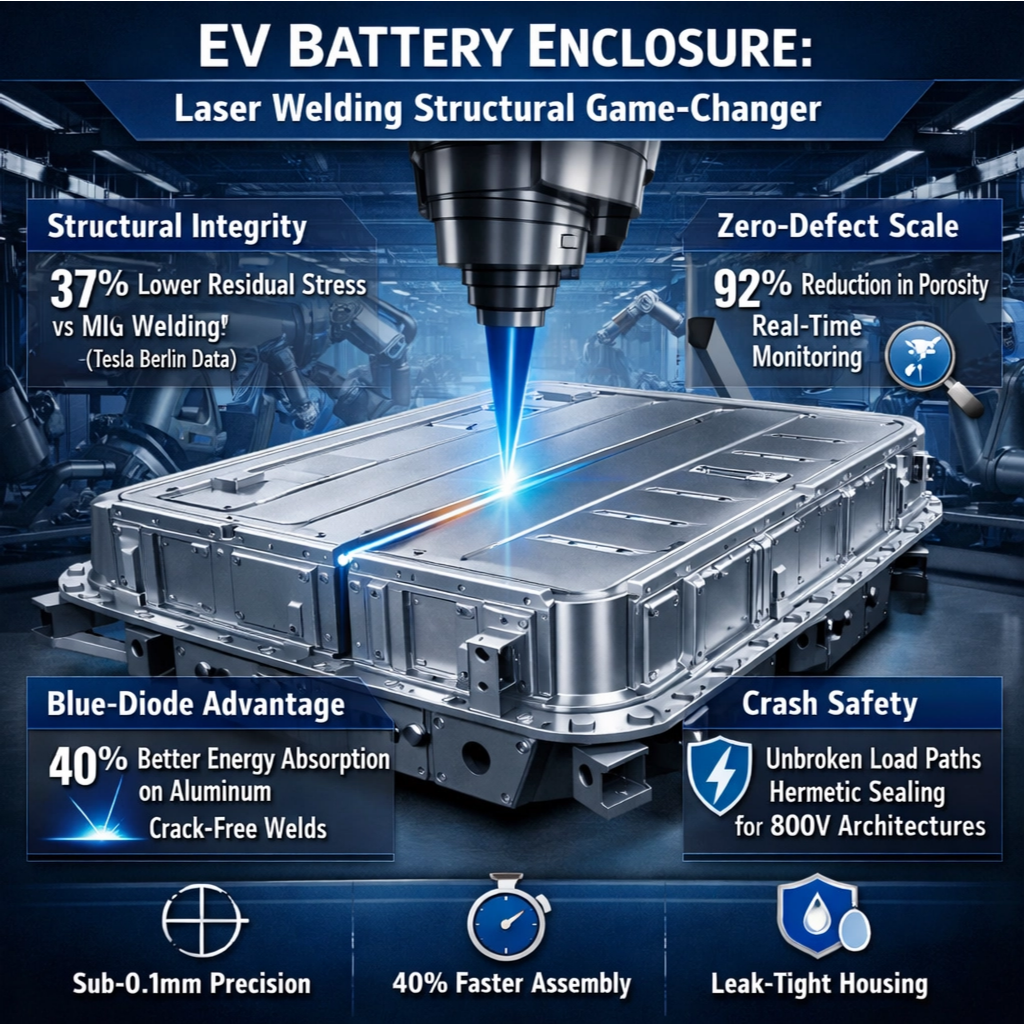
Electric vehicle manufacturing requires a whole new level of precision, particularly when it comes to putting together batteries. Laser welding has basically become a must-have technology in this area. These lasers can hit accuracy down to the micron level on materials that get easily damaged by heat, such as aluminum and copper. This makes all the difference for building battery connections that won't fail under normal driving conditions or after repeated temperature changes. Regular welding techniques just don't cut it anymore. Operators working with laser systems need to learn completely different skills compared to traditional methods. They have to understand how to adjust the laser beam settings, figure out proper joint designs, and constantly watch what's happening during the process. None of these things are part of standard arc or spot welding training programs.
Industry studies link inadequate training to over 15% of EV battery failures, with defects like porosity or cracking triggering costly recalls—one 2023 incident affected 20,000 vehicles due to faulty battery welds. As automakers pursue 500-mile ranges and 10-minute fast charging, weld integrity is non-negotiable. Specialized training bridges this gap by teaching:
Without it, manufacturers risk production bottlenecks, safety incidents, and warranty claims exceeding $740k per recall (Ponemon Institute, 2023). Certified technicians ensure consistent weld penetration depths below 0.1 mm—a critical threshold, as a single flawed connection can initiate thermal runaway.
When industry partners get involved, they help shape what gets taught in EV laser welding programs so students learn exactly what manufacturers need these days. Think things like making battery enclosures or putting together those tricky thermal management systems. The courses actually bring in real production drawings and look at failures that have happened on factory floors. Students get hands-on with stuff like joining aluminum to steel in battery trays, which is pretty critical work. Companies contributing their expertise helps bridge that annoying skills gap we keep hearing about. Safety rules for materials that reflect too much light and meeting those ISO quality standards get built right into the training. And here's something practical: trainees spend time working with the same kind of industrial fiber lasers found on actual production lines. This gives them muscle memory for dealing with all sorts of complicated shapes in electric drivetrain parts, something that takes real experience to master.
Apprenticeship programs in electric vehicle manufacturing blend hands-on work with classroom learning, giving trainees clear routes toward getting certified by the American Welding Society. Trainees move between different parts of the factory floor, starting with early stage welding tasks all the way through quality checks at the end line, building up around two thousand hours of guided experience along the way. The program works because workers don't just learn theory they get to apply it right away, like adjusting laser settings when connecting copper bars for batteries while meeting tight production schedules. After passing skill tests that show real ability, program completers receive certifications that employers throughout the EV industry actually recognize, which makes landing jobs as specialized technicians much faster than going through traditional routes.
Modern EV laser welding training prioritizes hands-on experience with industry-standard fiber laser systems in simulated production environments. Safety protocols form the foundation of all lab activities, with 92% of programs now requiring hazard recognition competency assessments before equipment operation (National Center for Construction Education and Research, 2026). Key components include:
This lab-integrated approach directly supports certification readiness: trainees demonstrate 40% faster operational proficiency compared to purely theoretical instruction. Competency is validated through performance-based assessments aligned with ANSI/AWS standards—ensuring graduates meet employer expectations for production-ready skills.
EV laser welding training is changing fast, really fast, and it rests on three main things: getting robots involved, setting up proper certification standards, and finding ways to train lots of people at once. We're seeing these fancy robotic welding machines with smart AI controls taking off pretty quickly too - experts think they'll expand about 32% every year until 2027. So training programs need to include actual practice sessions where workers learn how to tweak settings on the fly and spot problems before they happen. The welding community is also coming together on what counts as good skills these days. The American Welding Society has started creating specific certifications for EV battery welding so everyone knows what quality looks like across different shops. With around 100,000 fewer skilled workers expected in EV manufacturing by 2025, companies are turning to virtual reality simulators and bite-sized training credentials that let people pick up new skills quickly without losing most of what they've learned (the U.S. Education folks saw this working well back in 2024). Putting all these pieces together - teaching with modern equipment, having clear standards, and making training accessible - should help fill those skill gaps and keep our training systems relevant even as technology keeps changing directions.
Explore more insights to inform your business decisions
 EN
EN