
 EN
EN



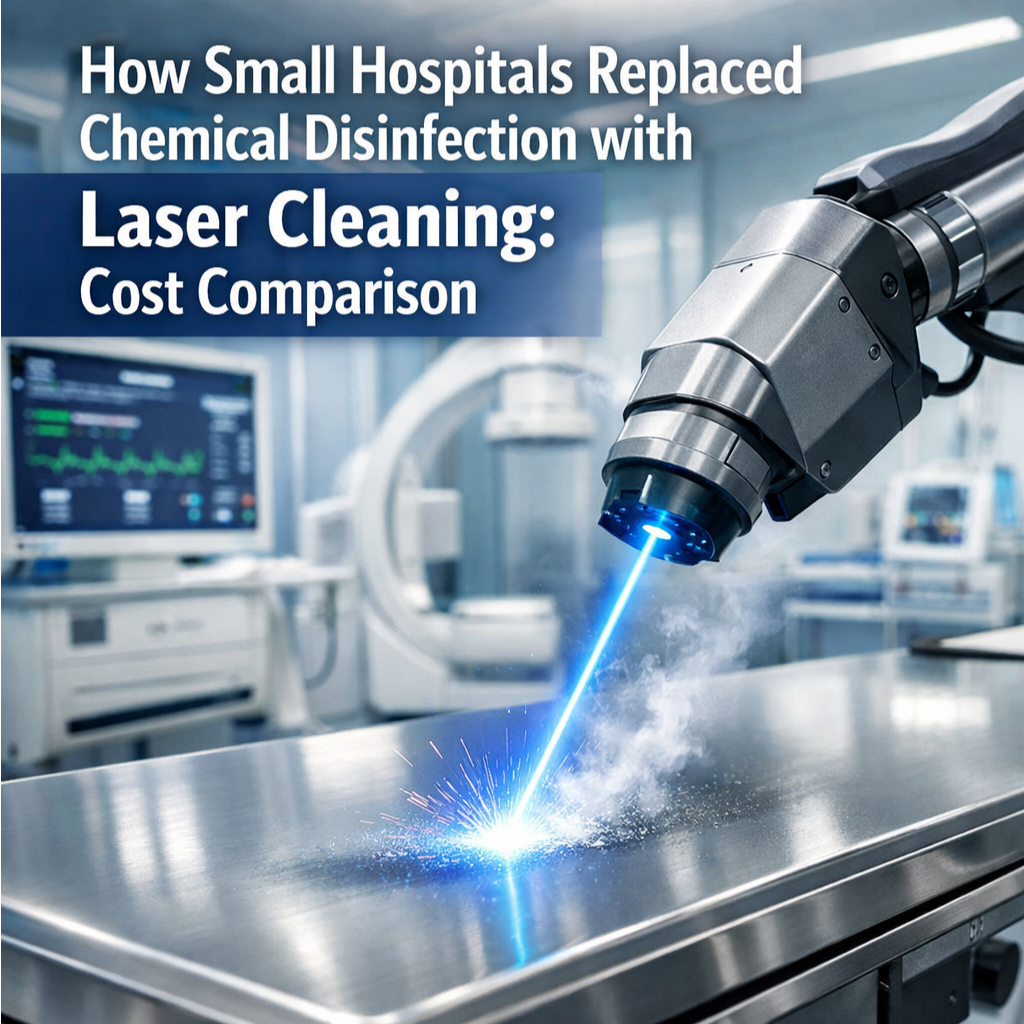
Why Hospitals Need Advanced Surface Disinfection Solutions
Infections picked up at hospitals continue to be a real problem for everyone involved. The Centers for Disease Control says roughly one out of every twenty-five patients ends up getting some kind of infection while receiving treatment. Standard ways of keeping things clean face several big issues. First off, those areas people touch all day long still manage to harbor harmful germs even after staff go through their regular cleaning routines. Then there's the issue of chemicals left behind from disinfectants which slowly eat away at delicate medical gear. And let's not forget about the whole process being so dependent on human workers who might miss spots or get tired. All these problems add up to something serious financially too. We're talking about hundreds of millions of dollars lost each year across American hospitals because of these preventable infections.
The problem with multidrug-resistant organisms (MDROs) such as MRSA and C. difficile is that regular cleaning products just don't cut it anymore. These stubborn bugs form what are called biofilms protective layers of microbes sticking to surfaces which can stand up to most disinfectants we throw at them. Hospital operating rooms need to get cleaned quickly between surgeries but still maintain absolute sterility standards. And let's not forget about the staff responsible for this work. Environmental services crews are dealing with stricter regulations all the time now. They have to prove their cleaning actually works through documentation and repeatable results, something that makes their job even harder when fighting these tough to kill pathogens.
New disinfection methods tackle those big problems we've been facing for years. These systems cut out all the guesswork from how people apply them, making sure every nook and cranny gets treated properly through automated processes. Plus, when they don't rely on harsh chemicals, there's less damage to equipment over time and fewer breathing issues for hospital staff. We're seeing this move towards precise tech as part of a bigger trend in healthcare where hospitals want better results they can actually measure. Putting money into these modern disinfection solutions isn't just about updating old equipment either. It really becomes essential for keeping patients safe and managing risks that could come back to haunt institutions down the road.
How Hospital Laser Cleaning Works for Pathogen Elimination
Hospital laser cleaning eliminates pathogens through targeted energy delivery, offering a truly chemical-free alternative to traditional disinfection. Unlike liquid-based methods, it operates without damaging sensitive medical equipment or leaving toxic residues—making it especially valuable in sterile and electronics-rich environments like operating rooms and imaging suites.
Laser Ablation Mechanism Against Biofilms and Microorganisms
High-intensity, pulsed lasers disrupt microbial structures at the molecular level via photothermal ablation. When precisely focused on contaminated surfaces:
- Pathogens rapidly absorb laser energy, triggering instantaneous vaporization of cellular material
- Biofilm matrices thermally decompose without affecting underlying substrates (e.g., stainless steel, polymers, or coated electronics)
- Multidrug-resistant organisms—including MRSA, CRE, and C. difficile spores—are neutralized through irreversible membrane rupture and protein denaturation
Clinical studies confirm this process achieves >99.9% pathogen elimination on critical surfaces, significantly outperforming chemical alternatives for complex hospital equipment where residue, penetration depth, or dwell time limit efficacy.
Real-Time, Chemical-Free Disinfection Without Residue
Unlike conventional methods requiring wet chemicals, extended contact times, ventilation, and post-application rinsing, laser systems deliver immediate, dry disinfection during operation. Key advantages include:
- Zero chemical residue—eliminating rinse cycles, ventilation delays, and surface recontamination risk
- Continuous use capability with no operational downtime between cycles
- No hazardous waste generation, removing associated disposal costs and compliance burdens
- Intrinsic safety for electrical components, moisture-sensitive devices, and heat-sensitive materials
A 2023 healthcare efficiency analysis by the Ponemon Institute found laser disinfection reduces surface preparation time by 70% compared to chemical protocols while preventing $740,000 in annual infection-related costs per facility.
Comparing Laser Cleaning vs. Conventional Disinfection in Healthcare Settings
Efficacy Against Multidrug-Resistant Organisms (MDROs)
Laser ablation gets rid of almost all pathogens on important surfaces, cutting them down by about 99.99%. It works especially well against tough MDROs such as MRSA, CRE, and those stubborn C. difficile spores through something called photothermal disruption that basically breaks apart cells. Chemical disinfectants just don't compare here since they manage only around 85 to 92 percent effectiveness against biofilms because they can't always get deep enough into surfaces and struggle with resistant spores. A recent 2023 study showed how laser systems wiped out C. diff spores in just 15 seconds, which is about 30% quicker than what we see with traditional chlorine methods. Plus there's no messy VOCs created during this process, and workers only need standard safety gear instead of full protective equipment.
Operational Impact: Downtime, Labor, and Compliance
The old way of disinfecting takes anywhere from half an hour to an hour total time for applying stuff manually, letting it air out, then cleaning up whatever's left behind. With laser cleaning technology though, whole process gets done in less than ten minutes thanks to those automatic cycles running themselves. Staff don't need to spend nearly as much time on this anymore either cutting down their workload around forty percent plus nobody has to worry about touching chemicals or breathing them in anymore. Facilities also save money because they don't have deal with all that complicated waste disposal stuff which can cost upwards of seven hundred forty thousand dollars each year at places with five hundred beds. No more setting up special breathing gear programs either. Plus there are these handy logs automatically generated during each cleaning session making audits much easier to handle when needed.
| Factor | Laser Cleaning | Conventional Methods |
|---|---|---|
| Avg. Downtime | ≤10 minutes | 30–60 minutes |
| Staff Required | 1 operator | 2–3 cleaning staff |
| Waste Disposal | None | $18,000/year regulatory costs |
The transition aligns with Joint Commission standards supporting non-chemical alternatives and delivers a clear 3-year ROI through reduced consumable expenses, avoided infection penalties, and streamlined regulatory compliance.
Implementing Hospital Laser Cleaning: Safety, Integration, and ROI
Staff Training, Regulatory Alignment, and Infection Control Protocols
Getting this right depends on proper operator training that follows ANSI Z136 standards. Operators need to know all about those laser safety locks, how to handle fumes properly, and what to do when different hazards pop up. The training should fit naturally into current infection control routines too. It needs to work alongside CDC recommendations for dealing with drug-resistant organisms and meet those Environment of Care standards from the Joint Commission. For setups using robotic arms or built into automatic cleaning cycles, everything still has to pass OSHA's tests for operating powerful equipment safely. And here's something interesting: switching to laser cleaning cuts down on PPE usage by around 40% compared to traditional chemicals. That means saving money on supplies and reducing risks for workers who deal with these things day in and day out. Plus, we're still hitting all the CDC targets for sterilization quality.
Measuring Long-Term Cost Savings and Environmental Benefits
Laser cleaning in hospitals offers some pretty impressive returns on investment when looking at the numbers. Hospitals stop spending money on things like chemical solvents, those abrasive cleaning pads, all that personal protective equipment, plus the costly disposal of hazardous waste materials. The Ponemon Institute did a study back in 2023 showing that this saves around $740k each year for a typical 500 bed facility. Another big plus is how the non contact nature of the process actually reduces maintenance costs by about 60 percent because there are simply fewer moving parts involved. Equipment lasts longer too since it doesn't suffer from chemical corrosion or mechanical wear and tear over time. From an environmental standpoint, these lasers create absolutely no secondary contaminants which really supports green initiatives while cutting down carbon emissions by roughly 45% compared to old school disinfection methods. Most facilities see their entire investment paid back within just 18 months, after which they continue enjoying lower operating costs and significantly reduced risks of infections spreading throughout the hospital.
Frequently Asked Questions
Why is standard hospital cleaning ineffective against certain pathogens?
Standard cleaning methods often fail against pathogens like MRSA and C. difficile due to the biofilms they create, which can resist common disinfectants.
How does laser cleaning compare to conventional disinfection methods?
Laser cleaning significantly outperforms conventional methods in terms of pathogen elimination, reducing downtime, labor costs, and compliance burdens while being safer for sensitive equipment.
What are the benefits of laser cleaning for hospital environments?
Benefits include chemical-free operation, reduced infection-related costs, no hazardous waste, and increased safety for staff and equipment.
How do hospitals transition to using laser cleaning technology?
Transition involves proper staff training in line with regulatory standards, integrating into current infection protocols, and measuring long-term cost savings and environmental benefits.