
 EN
EN



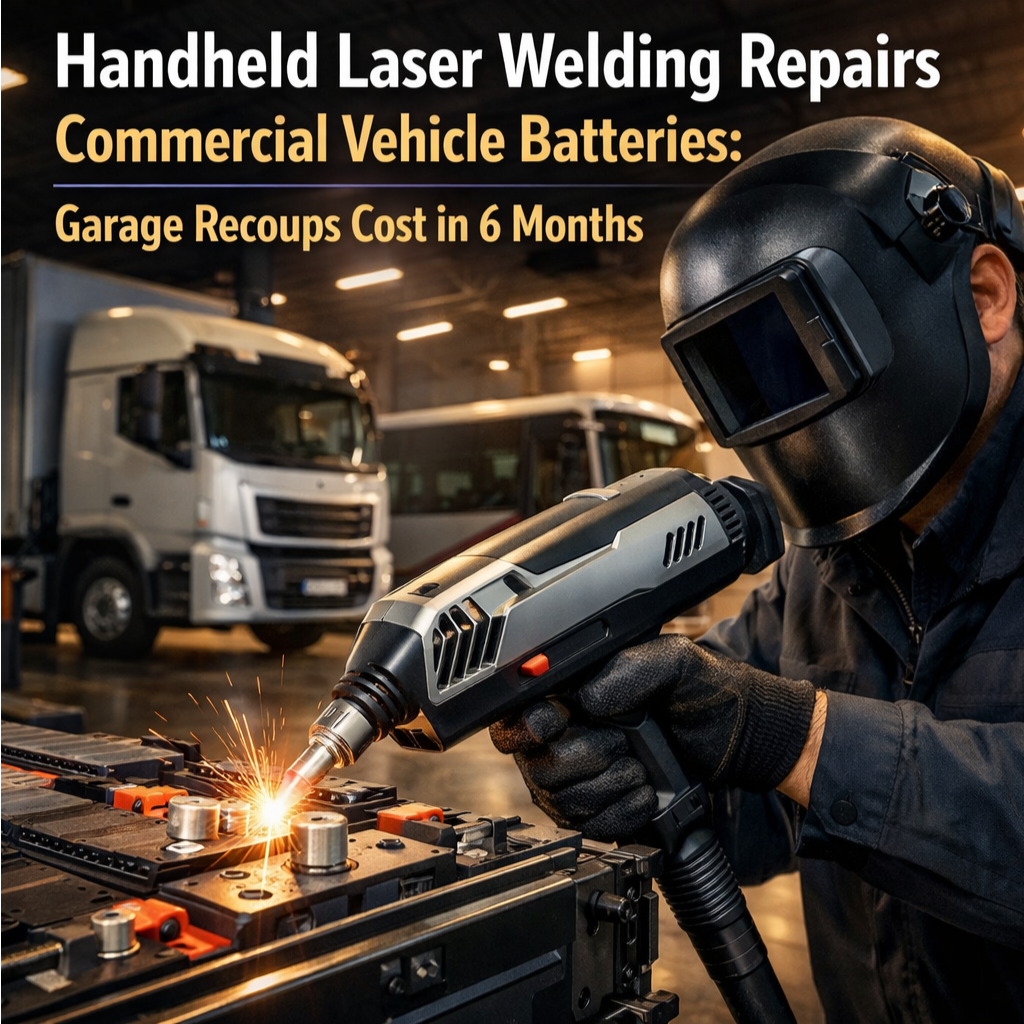
Why Commercial Vehicle Battery Laser Repair Solves Aluminum and Dissimilar Metal Challenges
Standard welding techniques really have trouble handling those tricky aluminum-copper-nickel battery connections because the materials just don't play well together. Heat causes these different metals to combine into brittle stuff called intermetallic compounds, which basically become weak spots that crack easily when there's any kind of vibration going on. Arc welding often results in porosity levels above 15%, something that makes electricity flow worse over time and increases the chances of dangerous overheating situations. Copper's tendency to conduct heat so quickly only makes things harder for welders trying to get consistent results. All this leads to expensive fixes down the line, and even then, the final product might not be as strong as it needs to be for proper function.
Failure Modes of Traditional Welding on Aluminum-Copper-Nickel Battery Joints
Conventional TIG/MIG processes generate excessive heat input—often 500–1000°C above melting points—triggering three critical failure mechanisms in battery terminals:
- Micro-cracking: Brittle IMCs like Al2Cu fracture under thermal cycling
- Void formation: Trapped hydrogen creates porosity clusters exceeding 10% density
- Hazardous deformation: Uneven thermal expansion warps thin battery foils
These defects reduce joint conductivity by 30–60% and shorten service life by 18–24 months based on accelerated aging tests.
How Handheld Laser Precision Eliminates Porosity, Micro-Cracking, and Thermal Damage
Handheld laser systems overcome these limitations through sub-millisecond pulse control and localized energy delivery (<0.5 mm spot diameter). By maintaining heat input below 200 J/cm² and cooling rates above 10ˉ K/s, they suppress IMC formation while achieving:
- Zero-porosity welds through stable keyhole dynamics
- Crack-free seams via precise solidification control
- <0.1 mm heat-affected zones, preserving adjacent cell integrity
This enables commercial vehicle battery laser repair to restore conductivity to 95% of original specifications—eliminating full battery replacements in 72% of terminal failure cases.
Commercial Vehicle Battery Laser Repair in Practice: Safety, Setup, and Process Control
On-Site Fixturing, Alignment, and Thermal Management for Reliable Repairs
Getting the fixturing right and making sure everything lines up properly is what makes or breaks commercial vehicle battery laser repairs. The handheld systems out there today come equipped with these clever clamping mechanisms that hold onto those battery modules without putting unnecessary stress on the fragile lithium-ion cells during the actual repair work. When it comes to aiming those laser beams at damaged spots, real-time optical guides help hit targets within just 0.1 mm accuracy. Pretty impressive stuff, especially when dealing with tricky metal combinations such as aluminum meeting copper joints in the battery packs. Thermal management isn't something manufacturers overlook either. These systems keep tabs on how heat spreads around through built-in coolant channels and infrared sensors, keeping things cool enough (below 60 degrees Celsius) so nothing overheats and causes problems down the road. What this all means is no more worrying about tiny cracks forming, plus technicians can now do most repairs right on site, taking anywhere between half an hour to almost forty-five minutes per module. And let's not forget the numbers speak for themselves too. A proper setup cuts down on having to redo failed attempts by roughly two thirds compared to old fashioned welding methods.
Lithium-Ion Safety Protocols: Cell Isolation, Fume Extraction, and Real-Time Monitoring
Safety procedures have to be taken seriously when working on commercial electric vehicle batteries. Techs need to separate each cell with special dielectric materials before turning on the lasers so there's no chance of short circuits happening between those high voltage points which usually run somewhere between 400 to 800 volts. The big industrial vacuum systems suck up almost all the tiny particles and dangerous stuff that comes off during the metal heating process, especially important when dealing with those nickel-based cathode parts. Shops also use gas sensors and heat cameras that watch what's going on constantly. If the hydrogen level goes over 1% or temperatures jump too fast, everything stops automatically. All these different safety layers cut down accidents in repair shops by around 80 percent, which means even regular auto garages can do laser repairs without needing expensive clean rooms.
Integrating Commercial Vehicle Battery Laser Repair into Garage Workflows
Laser repair systems that fit in one hand slot right into most commercial garages without messing up the usual workflow too much. The portable models take up barely any space at all, probably around 2 square meters max, and they run off regular 220 volt outlets so no need for expensive rewiring. Most techs pick it up pretty quick after about a day of training, usually getting comfortable enough to do actual repairs after handling five or so different jobs. Mechanics can work on batteries using these tools while their colleagues fix engines next door since everything still flows like normal. Garage owners tell us there's hardly any downtime when setting these up either, with most places having them ready to go within two days of unboxing. What really matters is how fast shops start seeing returns on investment, often cutting the typical six-month wait because business keeps rolling in as usual but now includes extra money from fixing up old batteries. Plus, since lasers don't touch anything directly, there's no risk of mixing hydraulic fluid with brake dust when multiple projects happen in the same area.
ROI of Commercial Vehicle Battery Laser Repair: Quantifying the 6-Month Break-Even Milestone
Labor Efficiency, Reduced Replacement Costs, and Uptime Revenue Drivers
The introduction of handheld laser repair systems is changing how companies handle maintenance for electric vehicle batteries. Techs can now fix those tricky aluminum-copper-nickel joints in just 15 minutes flat. That's about 75 percent quicker than traditional arc welding methods, and it cuts down on labor expenses by somewhere between 60 and 80 percent. What really matters though? These systems stop the need for completely replacing entire battery packs, something that sets fleet operators back anywhere from $15k to $25k per unit. The laser approach also makes batteries last longer, typically adding around three to five extra years of service life while keeping vehicles off the shop floor for much less time. Logistics companies know this well because every single hour their trucks spend back on the road instead of sitting idle brings in roughly $740 in additional revenue. When we look at all these factors together, there are actually three distinct layers of return on investment waiting to be realized.
| Cost Factor | Traditional Repair | Laser Repair | Savings |
|---|---|---|---|
| Labor per repair | 2.5 hours | 0.5 hours | 80% |
| Battery replacement rate | 22% | 3% | $4,125/unit |
| Fleet downtime cost | $1,850/day | $370/day | 80% |
Real-World Validation: ROI Data from 12 EU Fleet Service Centers
Field data confirms the 6-month break-even milestone is consistently achievable. A study of 12 European commercial EV service centers showed laser repair systems paid for themselves in 5.2–6.8 months. Key drivers included:
- 60% reduction in weld rework rates
- $28,500 average savings per avoided battery replacement
- 17 additional operational days annually per vehicle
These outcomes stem from eliminating thermal damage to adjacent cells—a common failure point in traditional repairs. With lithium-ion battery refurbishment costs rising 12% annually, the operational leverage of handheld laser systems makes them indispensable for modern EV fleets.
FAQ Section
Why is laser repair preferred over traditional welding for battery terminals?
Laser repair is preferred because it eliminates porosity, micro-cracking, and thermal damage that are common with traditional welding methods, leading to longer battery life and reduced replacement costs.
What makes handheld laser systems efficient?
Handheld laser systems use sub-millisecond pulse control and localized energy delivery, providing precise and efficient repairs in less time compared to conventional methods.
How do commercial garages integrate laser repair systems?
Laser repair systems are portable, require minimal setup, and fit smoothly into existing workflows, allowing garages to perform repairs quickly without disrupting other operations.
What are the safety protocols for laser repair?
Safety protocols include cell isolation, fume extraction, and real-time monitoring using gas sensors and heat cameras to prevent accidents and ensure safe operation.
What is the ROI for implementing laser repair systems?
The ROI includes significant labor savings, reduced battery replacement costs, and increased uptime revenue, with many service centers achieving break-even within six months.
Table of Contents
- Why Commercial Vehicle Battery Laser Repair Solves Aluminum and Dissimilar Metal Challenges
- Commercial Vehicle Battery Laser Repair in Practice: Safety, Setup, and Process Control
- Integrating Commercial Vehicle Battery Laser Repair into Garage Workflows
- ROI of Commercial Vehicle Battery Laser Repair: Quantifying the 6-Month Break-Even Milestone
- FAQ Section